
#NoTechForWar: Women Human Rights Defenders Name and Resist Digital Warfare
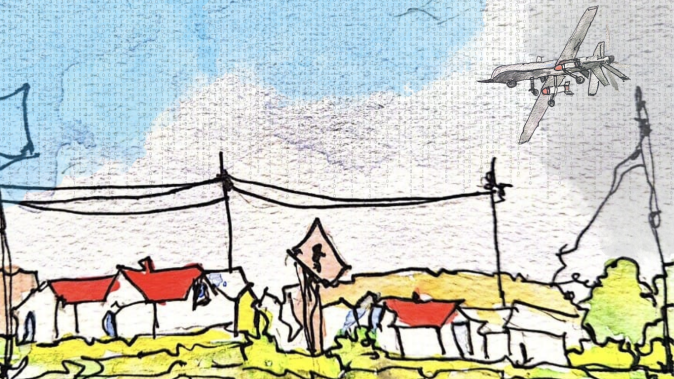
All over the world, women human rights defenders (WHRDs) are defending their territories and communities while facing the shadows of digital repression and surveillance.
From Sudan to Kashmir, outspoken advocates are being targeted via increasingly sophisticated technological violence in disquietingly similar ways.
For 16 Days of Activism Against Gender-Based Violence, we offer to you a collection of deep dives into how tech for war affects the lives of WHRDs in different socio-political environments.
Sadaf Khan ties together these differing threads in the editorial: “[T]echnologies are weaponised in places where defenders are already vulnerable, amplifying risks and leaving women with no effective protection or legal recourse. Surveillance, digital harassment, blackouts and targeted strikes are not isolated incidents but part of a broader trend where tools meant for communication and connection become instruments of control. For WHRDs, the consequences are compounded by gendered stigma that transforms political dissent into personal attack. In each case, accountability mechanisms are either absent or inaccessible, meaning the very structures that should safeguard rights are those through which violations are enacted.”
Find the collection here, and country-specific investigations below:
- The culture of digital surveillance that has become commonplace in Ethiopia, increasingly used to silence voices of political opponents — including women human rights defenders. Read the article here.
- The pressures to take part in surveilling fellow citizens in Kashmir, harming the agency and dignity of all people and human rights defenders — including women. Read it here.
- The use of Artificial Intelligence in Lebanon against human rights defenders who uncover the realities of Israeli attacks. Read the article here.
- The use of social media vigilantism and Big Tech algorithms to target and humiliate trans human rights defenders in Pakistan. Read here.
- The Rapid Support Forces monopolising Information and Communication Technologies (ICTs), harming civilians, defenders and rescue efforts in an already deadly situation. Read the story here.
- The use of technologies to encourage citizens turning against each other in Venezuela, with added burdens on the lives of women human rights defenders. Read the article here.
We hope this collection connects you to the global realities of women human rights defenders resisting warfare technologies around them, and invites you to hold this space with us.
- Log in to post comments